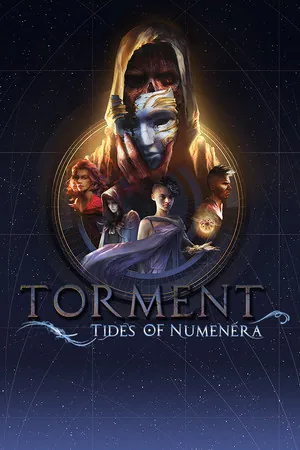
Torment: Tides of Numenera
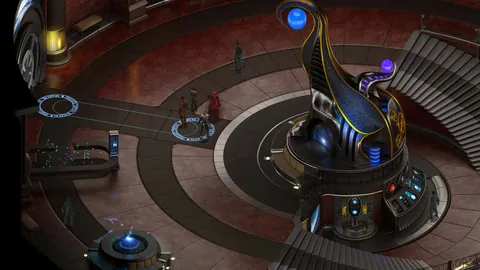
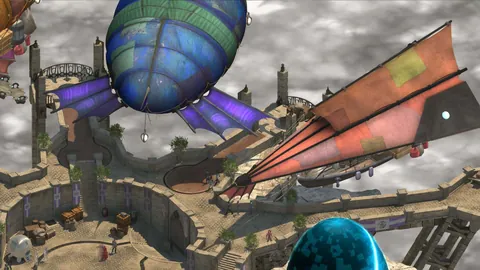
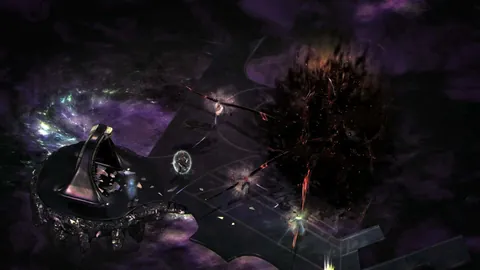
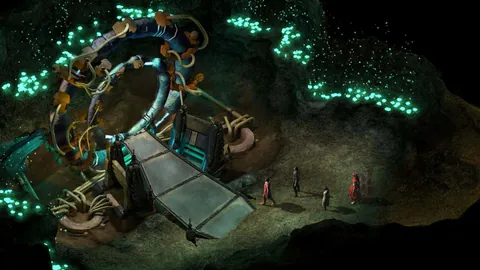
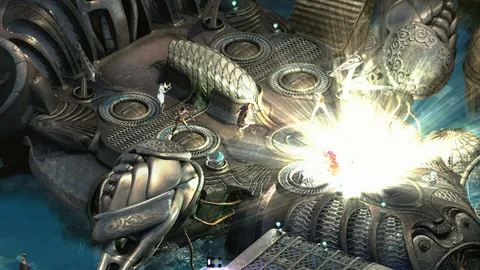
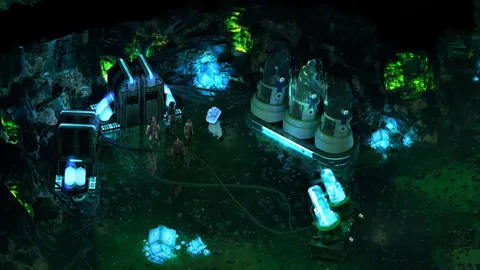
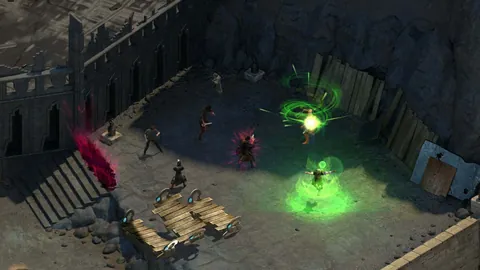
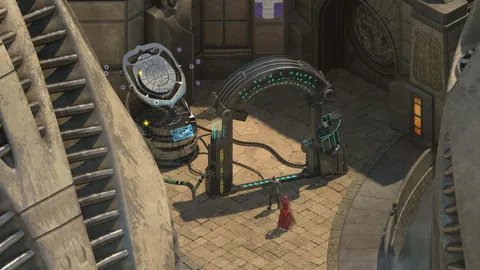
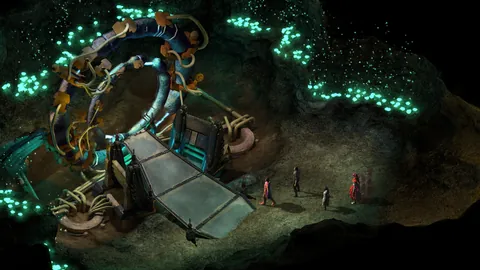
Tides of Numenera is a spiritual successor to Planescape: Torment, and it shows in everything about it—it's a game where you almost never fight, but read a great deal, and where the central question isn't how to defeat the villain, but what actually remains of a person's life after whoever lived in their body before them. inXile Entertainment openly embraces this legacy, including the same emphasis on text over mechanics.
The world of the Ninth World is built on the Numenera tabletop system and takes place a billion years in the future, amid the ruins of eight civilizations that came before us. Technology is so old that its inhabitants consider it magic, and the game uses this to make itself feel genuinely alien—there are no elves or dwarves, just beings and mechanisms that don't fit any category, which the player has to piece together from descriptions and hints. You play the Last Castoff, a body discarded by an immortal being called the Changing God, and you go looking for who you are and what you, as a body of previous incarnations, left behind. Along the way you're joined by a party of companions who are themselves just as alien as the world around them—each with their own reason for joining the Last Castoff, and their own view of whether they even deserve help.
Instead of combat, most situations are resolved through Crises: a scene that can be resolved through talk, trickery, or flight just as legitimately as through fighting, with the game openly signaling that the combat solution tends to be the worse choice. Anyone expecting an action RPG will be disappointed and quickly lost in paragraphs of text. Anyone looking for a game that lets them read long texts and make decisions within them knowing that no choice comes for free will get one of the few such games made after 2010 that doesn't try to replace text with flashier but shallower action scenes.
Why play it: The closest thing to Planescape: Torment ever released—an alien world and a game that gives the question priority over combat.
Game 353 of 583 for PC / moderní (64bit a GPU)