Franchises
Killzone
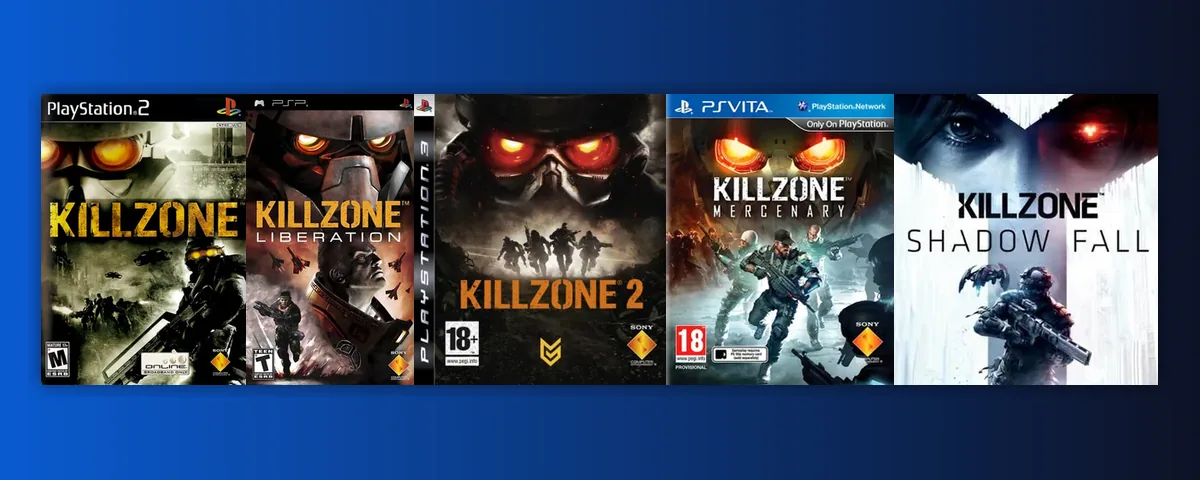
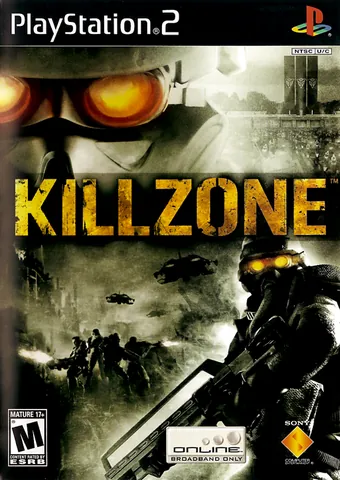
Killzone (2004) was Guerrilla Games' answer, on PlayStation 2, to Halo – a dark, atmosphere-driven shooter following an ISA soldier fighting the totalitarian Helghast, whose troops with their glowing goggles and gas masks became the series' visual trademark. Heavier, more deliberate shooting, an emphasis on taking cover, and a grim wartime aesthetic set it clearly apart from the faster, more arcade-like shooters of the time.
The PSP spin-off Killzone: Liberation (2006) shifted the series to a top-down, isometric perspective, while Killzone 2 (2009) on PlayStation 3 became the platform's technical showcase – dense visuals and slowed-down, "weighty" gunplay demonstrated what the PS3 could do, building on the buzz its earlier, much-discussed pre-rendered reveal trailer had generated. Killzone 3 (2011) added 3D display support, motion controls and a more open, action-driven pace with jetpacks and exoskeletons.
The PS Vita's Killzone: Mercenary (2013) surprised players with how close a handheld shooter could get to its console counterparts, while Killzone: Shadow Fall (2013), a PlayStation 4 launch title, closed out the series with larger, more open levels, a companion drone, and a reworked relationship between the ISA and the Helghast following the collapse of their home planet. Killzone never became as dominant a brand as its inspiration, but for nearly a decade it served as Sony's technological showcase, and the look of its Helghast soldiers remains one of the most recognizable in the genre.
Entries in the series (6)
-
-
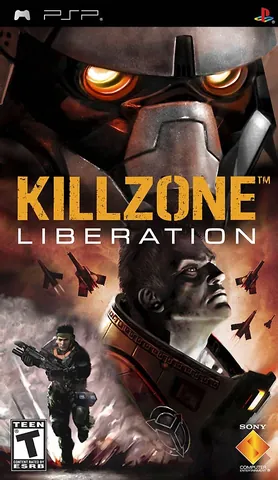
Killzone: Liberation · 2006
-
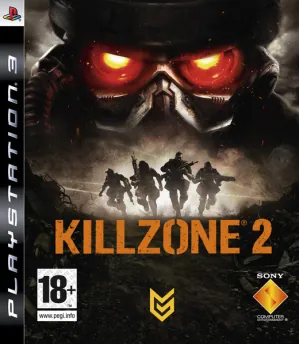
Killzone 2 · 2009
-
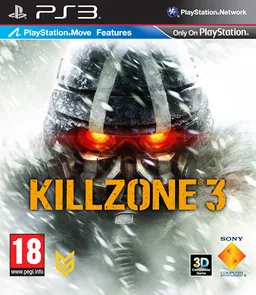
Killzone 3 · 2011
-
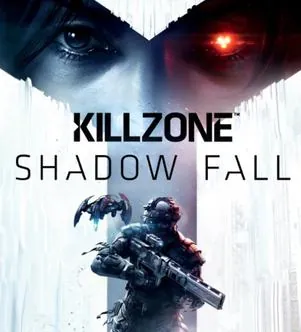
Killzone Shadow Fall · 2013
-
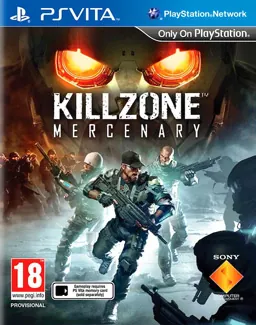
Killzone: Mercenary · 2013