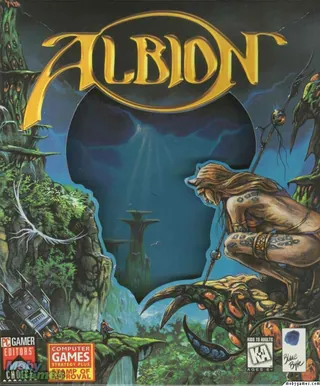
Albion
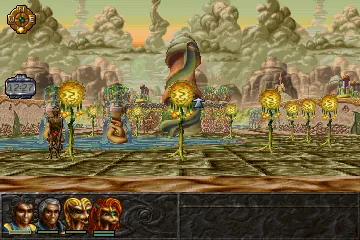
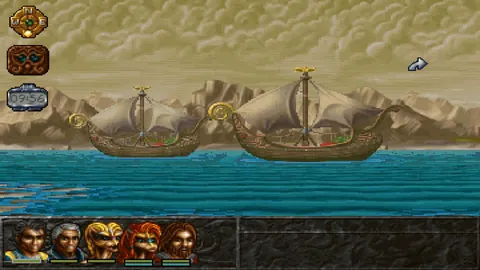
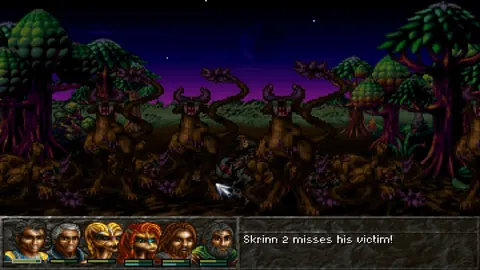
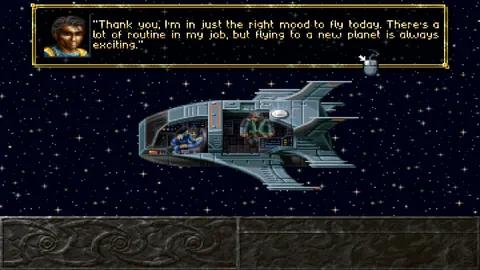
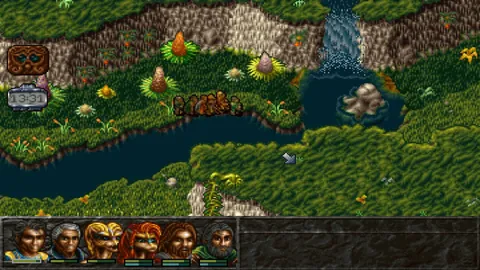
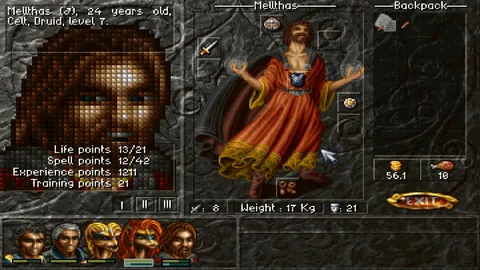
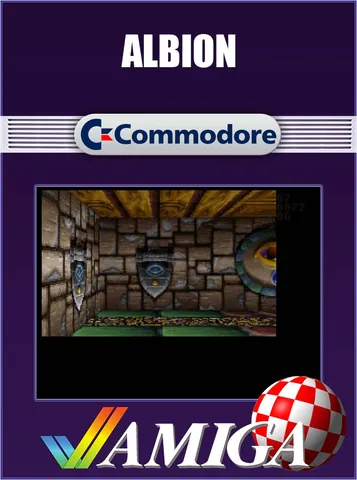
Albion is an RPG by the German studio Blue Byte, telling the story of the crew of the spaceship Toronto, who, after crash-landing on an unknown planet, discover a richly developed fantasy world inhabited by various races. The main hero, Tom Driscoll, finds himself in the middle of a conflict between the native inhabitants and a mining corporation, giving the game an unusual blend of sci-fi and fantasy.
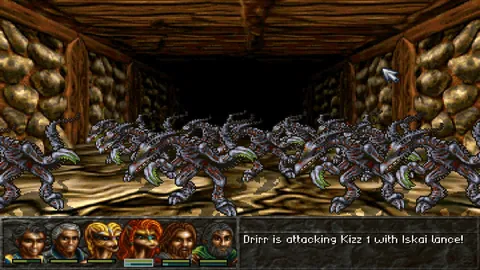
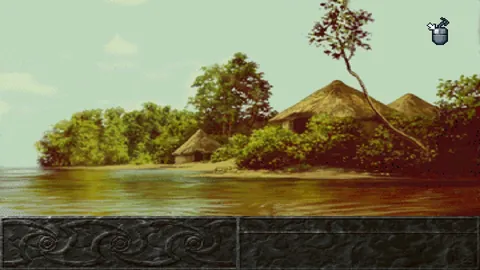
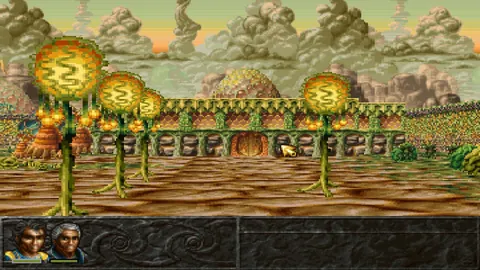
The game alternates a top-down view while traveling across the world map with turn-based combat and extensive dialogue passages, through which the player gradually pieces together the political situation of the planet Albion. The world is divided into several distinct regions, each with its own culture, language, and architecture, which represented an unusually ambitious feat of world-building in the mid-nineties. On DOS and early Windows machines, the game benefited from detailed 2D graphics and atmospheric music that effectively supported the sense of discovering an alien world.
Albion is still valued today, especially by old-school RPG fans, for its dense story, morally ambiguous factions, and unusual combination of a sci-fi frame with a fantasy core, where technologically advanced humans colonize a world with its own magic and mythology. Its accessibility today is limited by a slower pace and a less clear interface, yet the game remains one of the most interesting German RPGs of the nineties and an inspiration for the later work of Blue Byte, which later became famous for the Battle Isle and The Settlers series. Special attention should also be paid to the fact that the planet's different factions and races hold differing views on colonization and technological progress, so the player gradually pieces together the conflict from multiple points of view rather than a clear-cut division into good and evil. This approach to storytelling, where no side is purely good or evil, was among the most interesting things European RPGs had to offer in the mid-nineties. Blue Byte also supported the game with a fairly extensive printed manual containing maps and descriptions of the individual cultures, which, in the era before widespread internet access, made it easier for players to find their way around the complex world and today serves as a valuable artifact for collectors.
Game 119 of 204 for PC / DOS (XT až 486)